Ask ten privacy experts for the most secure messaging app and most will name Signal. Ask the same question a different way — "who can read my messages, and who has to be trusted for the system to work?" — and the answer gets more interesting. In 2026, the best security is not always a single app. It is a stack of choices.
This guide compares the major secure messengers honestly, then explains where device-side encryption fits in. If you only remember one thing, make it this: end-to-end encryption protects messages in transit, but device-side encryption protects them before they ever enter the channel.
What "secure messaging" actually means
A secure messenger is not just one that hides message text. Real security depends on several factors working together:
- End-to-end encryption (E2EE): only the sender and recipient hold the keys; the server cannot read content.
- Metadata protection: who talks to whom, when, and how often is often as revealing as the message itself.
- Open source and audits: code that can be inspected is harder to backdoor.
- Account requirements: a phone number or email ties your identity to the service.
- Backup behavior: cloud backups can store plaintext or encryption keys outside your control.
No app scores perfectly on every point. The right choice depends on who you are protecting messages from, and what you are willing to trust.
The apps everyone compares
Signal
Signal is widely considered the gold standard for secure messaging. It is open source, run by a non-profit, and uses the Signal Protocol for E2EE by default in every conversation. It collects very little metadata and has been independently audited for years.
The trade-off is practical: Signal still requires a phone number to register, stores your contacts on its servers in a hashed form, and runs on its own network. If Signal is blocked in your country or its infrastructure is pressured, your ability to communicate depends on that infrastructure.
WhatsApp also uses the Signal Protocol for E2EE, so the message content is well protected in transit. Its weakness is everything around the message: it is owned by Meta, it requires a phone number, and many users enable cloud backups that can store message content outside the E2EE boundary. It is a convenient default, but convenience and control are not the same thing.
Telegram
Telegram is popular, but its default chats are not end-to-end encrypted. Only "Secret Chats" use E2EE, and they are not enabled by default. Telegram also requires a phone number and stores messages on its cloud servers. For privacy-sensitive conversations, the default mode is not competitive with Signal.
iMessage
iMessage offers E2EE between Apple devices, but the ecosystem is Apple-only. If iCloud Messages backups are enabled, Apple can hold encryption keys that protect those backups, which changes the threat model. It is strong for Apple-to-Apple chats, but it is not a cross-platform solution.
The trust problem they all share
Every app above asks you to trust something outside your device: the company, the server, the update mechanism, the backup provider, and the laws that govern them. That trust is usually warranted, but it is still a trust. If the company changes ownership, policy, or jurisdiction, your security posture can change without you doing anything wrong.
These apps also know who you talk to. They may not read the message, but they see the metadata: your contacts, your usage patterns, your phone number. Metadata is hard to hide and easy to analyze.
Device-side encryption: a different layer
CipherPigeon is not a messaging app. It is an encryption layer that runs on your device before you open any messenger. You type or select a photo, enter a passphrase you share out of band, and tap encrypt. The output is a VS//PACKET of text or an encrypted .cpg file that you can paste or send through any app you already use.
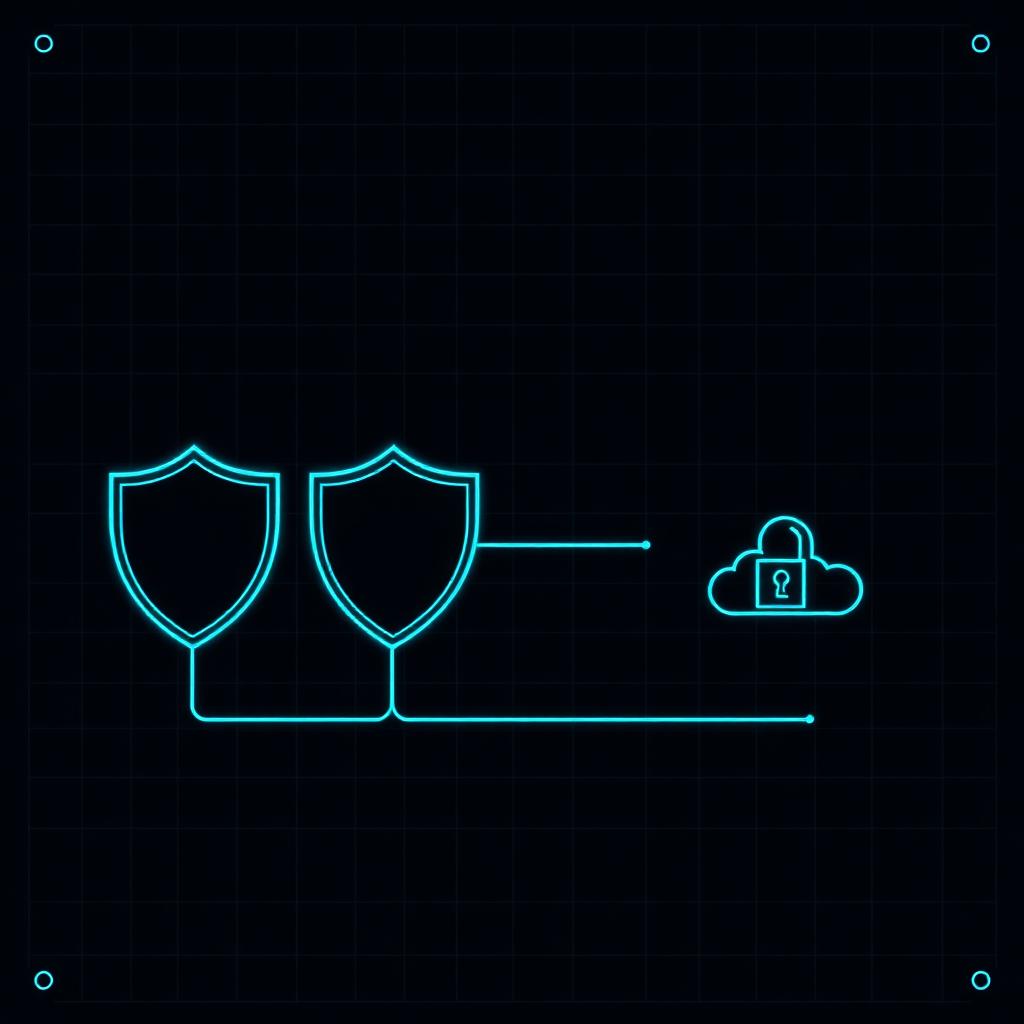
Because the encryption happens locally, there is no account, no server, and no network requirement. The messenger becomes a dumb pipe. Even an unencrypted app can carry a CipherPigeon payload without reading it. The key never travels through the channel, so the channel does not have to be trusted.
So which is the most secure messaging app in 2026?
For most people, Signal is the best all-in-one secure messenger. It is audited, non-profit, and easy to use. But if your threat model includes not wanting to trust any single company, server, or network, add a device-side encryption layer.
The strongest setup is both: encrypt with CipherPigeon, then send through Signal. The message is protected before it leaves your device, in transit, and even if either tool is later compromised. The ciphertext does not care which app carries it. It only cares about the key.
When to choose which approach
- Use Signal alone: when you want a simple, trusted messenger for everyday private chats.
- Use CipherPigeon alone: when you cannot choose the messenger, need to send through SMS or email, or want no account at all.
- Use both together: when you want maximum separation of trust and the strongest practical protection.
The most secure messaging setup in 2026 is not a popularity contest. It is the one that removes the trust points you are not comfortable keeping.