A cipher is only as strong as the secrets it hides. Most classic ciphers fail because they reuse the same shift pattern over and over again. Given enough ciphertext, an attacker can spot repeats, guess the key, and break the message wide open. The autokey cipher was invented to fix exactly that.
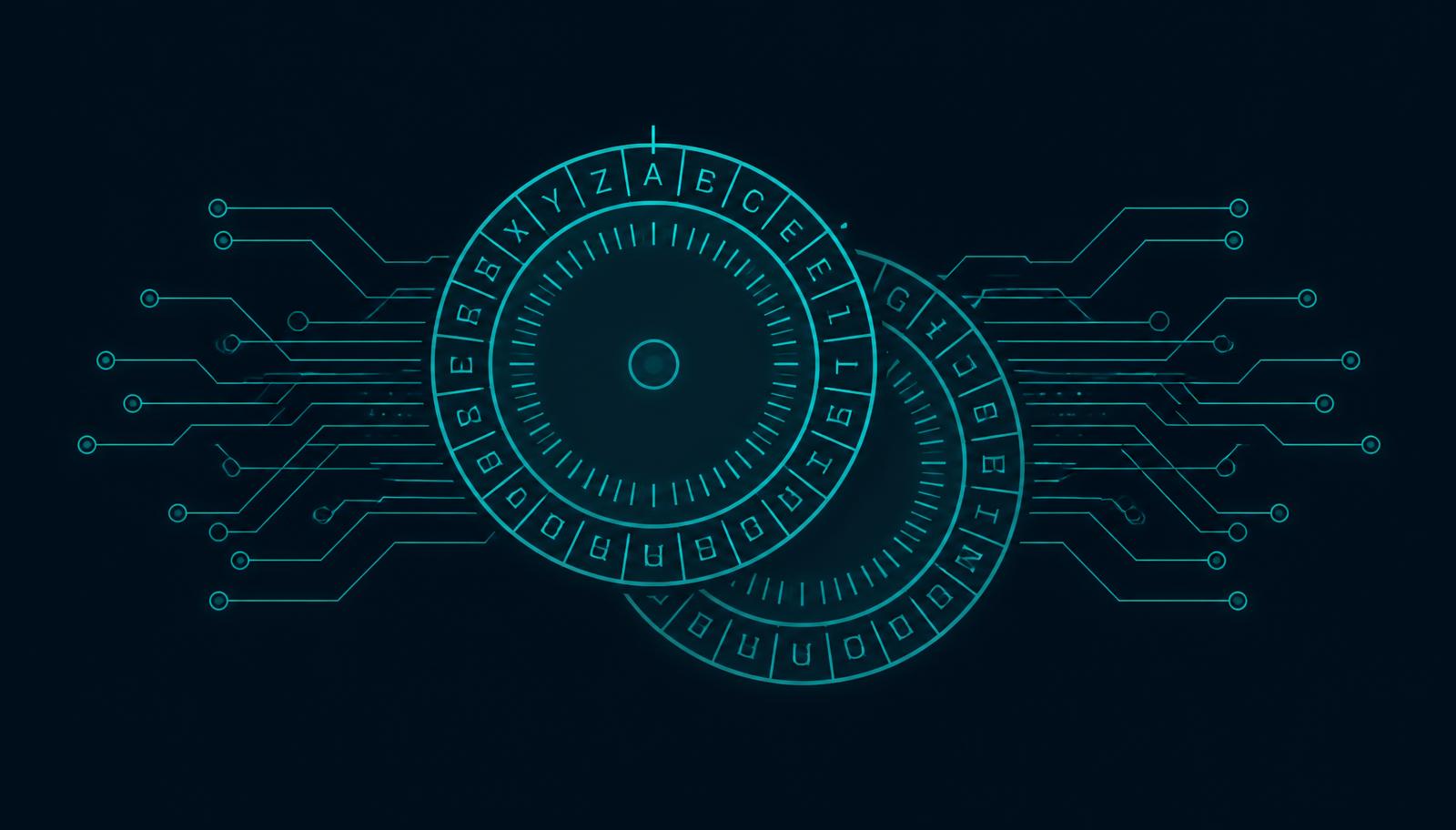
In an autokey cipher, the key does not just sit still. It moves. Every character you encrypt influences the next shift. The passphrase provides the starting point, but the ciphertext itself becomes part of the ongoing key. That means the word “the” will encrypt to three different values every time it appears, because the characters before it have changed the underlying shift.
Why “hybrid”?
Pure autokey ciphers can be fragile if the first key is short or predictable. CipherPigeon hardens the idea by combining a user passphrase with a feedback-driven keystream. The passphrase is the seed you share out of band — in person, over a secure call, or through a trusted channel. The feedback is the dynamic part that happens on your device. Together they form a hybrid: human entropy plus algorithmic entropy.
What the VS//PACKET contains
When you encrypt a message in CipherPigeon, the output is wrapped in a VS//PACKET. This is plain text, not binary, so you can paste it anywhere: SMS, email, Signal, a notes app, even a QR code. The packet is meaningless without the key. There is no header that reveals the sender. There is no metadata to mine. Just noise with a passphrase-shaped lock.
Built for offline trust
The entire transformation runs on your phone. No server ever sees your plaintext, your key, or your packet. Airplane mode is not a limitation — it is the default operating environment. That is the point of a hybrid autokey cipher in your pocket: trust the math, not the network.